Can India’s Manufacturers Win Big in the Global Market? Here’s What’s Changing
India has always had the potential to become a major player in global manufacturing. But potential alone does not pay the bills. What does it actually take for Indian manufacturers to grow their export business today?
Over the last few years, something has shifted. Global buyers are actively looking for alternatives to China. Supply chain disruptions, rising costs, and trade tensions have pushed companies in the US, Europe, and Southeast Asia to rethink where they source their goods. India is right at the center of this conversation.
But here is the honest truth — India has been “on the verge of a breakthrough” for a long time. What is different now, and what do Indian manufacturers actually need to do to make the most of this moment?
The shift that is already happening
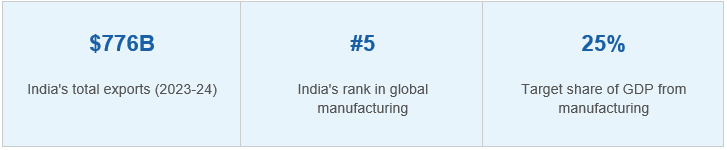
Countries that used to buy almost everything from China are now spreading their sourcing. This is sometimes called “China plus one” — meaning buyers want at least one other country in their supply chain. India, Vietnam, Bangladesh, and Mexico are all picking up business as a result.
For Indian manufacturers, this is a real opening. Electronics, textiles, chemicals, auto parts, and pharmaceuticals are some of the sectors already seeing more interest from global buyers. India’s pharmaceutical exports alone are among the largest in the world by volume.
The government has also launched production-linked incentive (PLI) schemes to encourage companies to manufacture more in India and sell abroad. These schemes cover sectors like mobile phones, textiles, food processing, and specialty chemicals.
India is not just competing on low wages anymore. Manufacturers who invest in quality, compliance, and reliable delivery are the ones landing long-term contracts with global buyers.
What global buyers actually care about
If you talk to procurement teams at companies in Germany, the US, or Japan, they will tell you the same things. Price matters, but it is not everything. What they care about just as much — sometimes more — is reliability, product quality, and how easy a supplier is to work with.
This means Indian manufacturers need to think about more than just production costs. Certifications matter. Delivery timelines matter. The ability to communicate clearly, handle documentation correctly, and meet compliance requirements — these are all things that can make or break a deal with an international buyer.
Many small and mid-sized Indian exporters lose business not because their products are bad, but because they struggle with the paperwork, the export procedures, or simply do not know how to position themselves to the right buyers. Understanding how Indian manufacturing exporters can strengthen their position in global trade is becoming an essential part of running a serious export business.
The infrastructure problem — and progress
One of the biggest complaints from global buyers has always been about logistics. Ports in India have historically been slower and more expensive to use compared to ports in China or Singapore. Moving goods from a factory in, say, Ludhiana or Coimbatore to a port and then onto a ship took longer and cost more than it should.
This is changing. The government has been investing in port upgrades, road and rail connectivity, and dedicated freight corridors. These are not overnight fixes, but the direction is clear. Faster logistics directly reduces costs for exporters and makes Indian suppliers more attractive compared to alternatives.
Technology is not optional anymore
Global buyers now expect their suppliers to be digitally capable. This means being able to track orders, share production updates, handle digital invoicing, and in some cases, connect directly to the buyer’s procurement systems.
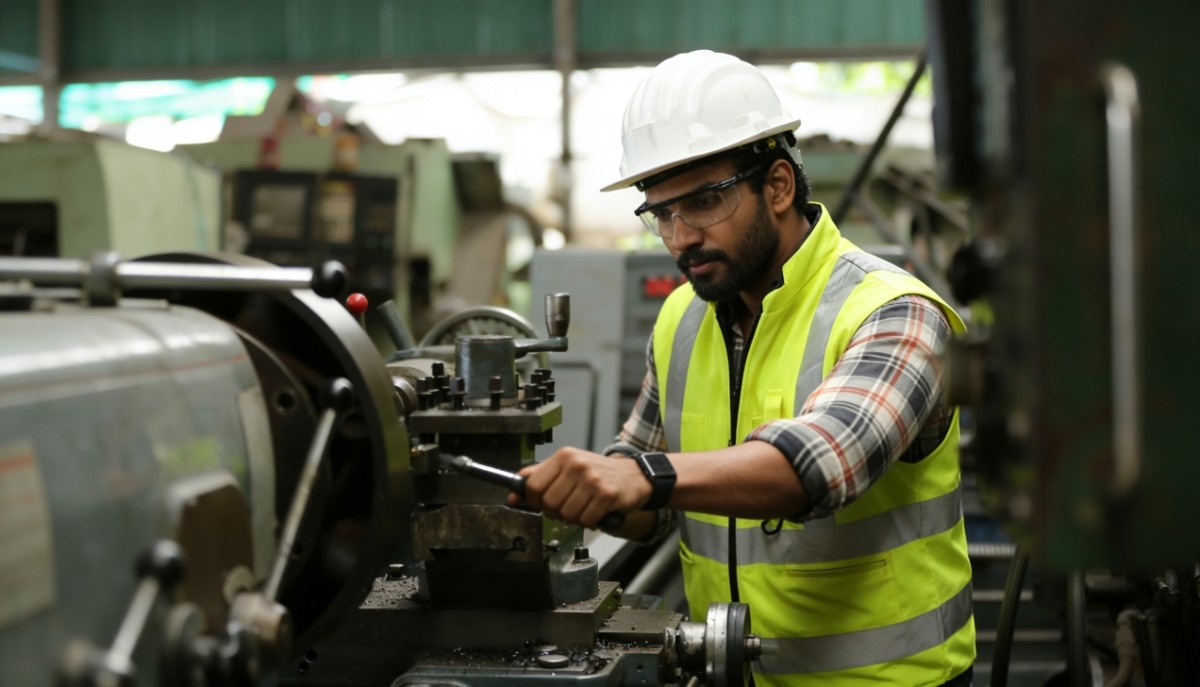
For many traditional Indian manufacturers, this is unfamiliar territory. But it is becoming a basic requirement. Manufacturers who embrace digital tools — even simple ones — find it much easier to build trust with buyers and handle larger volumes of business.
This does not mean every small exporter needs to spend a lot of money on software. It means being organized, responsive, and able to give buyers the information they need when they need it.
Sustainability is becoming a buying decision
European buyers in particular are now asking suppliers about their environmental practices. This includes things like energy use, waste management, and whether the people making the goods are treated fairly. These are no longer nice-to-have conversations — they are becoming part of the selection process.
Indian manufacturers who can demonstrate that they operate responsibly will have an edge. Those who ignore this are likely to find doors closing, especially in European markets where regulations around supply chain sustainability are getting stricter every year.
What does this all mean for an Indian manufacturer today?
If you are running a manufacturing business and want to grow your exports, here is the practical picture. The opportunity is real. Buyers are looking. But you will not win just by being available. You need to invest in quality systems, sort out your logistics, get your export documentation in order, and understand what your target buyers actually need.
The manufacturers who are winning right now are not always the biggest ones. They are the ones who show up consistently, communicate well, and deliver what they promise.
India has the talent, the industrial base, and now the policy support. The question is whether individual businesses — especially the small and mid-sized ones that make up the backbone of Indian manufacturing — can build the capabilities to compete on the global stage.
The next five years will be the most important window Indian manufacturers have seen in a generation. How they respond will shape where India sits in global supply chains for decades to come.
Final thoughts
India’s manufacturing export story is being written right now. The global conditions are favorable. The demand is there. And more Indian companies than ever before are thinking seriously about export markets.
What this moment needs is not more waiting. It needs businesses that are willing to do the work — improve their processes, understand their buyers, and show the world what Indian manufacturing can deliver.